


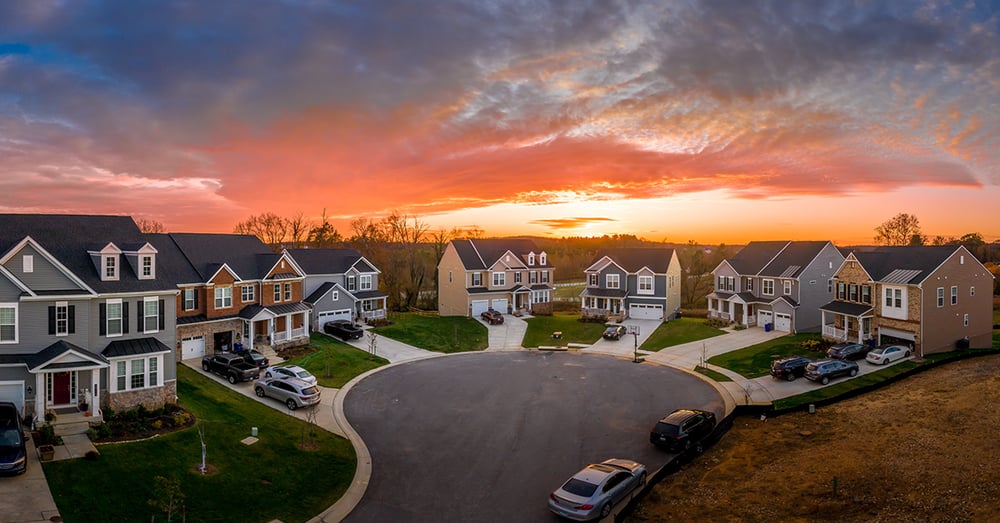


Homebuyers are prioritizing homes that offer flexibility, functionality, comfort, and long-term value. Top preferences include dedicated home offices, smarter storage solutions, multipurpose rooms, energy-efficient features, practical smart-home technology, wellness-focused spaces, functional kitchens, and warmer, more personalized interior design.
Buying a new home has always been about finding the ideal blend of location, price, and livable space. But today’s homebuyers are also paying closer attention to how their new home will support the way they actually live.
With affordability remaining top of mind, buyers want to feel confident that the space they’re purchasing will work for them today and continue to meet their needs in the years ahead. That means functional floor plans, flexible spaces, efficient features, useful technology, and thoughtful design choices can all make a difference.
Here are some of the top homebuyer preferences shaping new homes in 2026.
1. Dedicated Home Offices
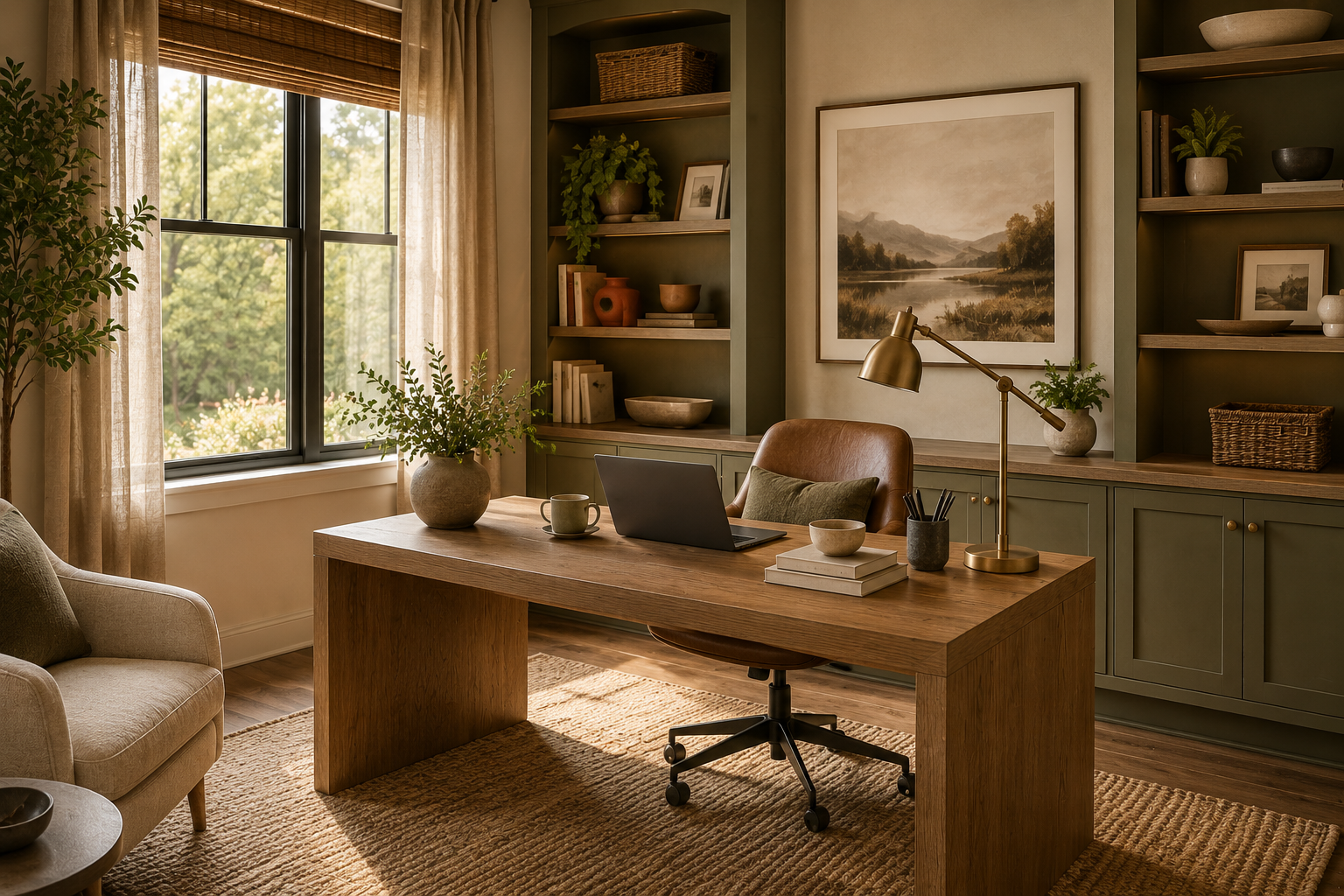
Remote and hybrid work have changed the way many buyers think about their floor plans. Rather than carving out a temporary workspace at the kitchen table, buyers may be looking for a dedicated area where they can comfortably work from home.
That doesn’t necessarily mean a large office. A smaller room with good natural light, privacy, accessible outlets, and built-in storage can provide plenty of functionality without taking significant square footage away from the rest of the home.
For builders, showing how a dedicated office or flex space can accommodate work-from-home needs can help buyers better visualize their everyday routines in the home.
2. Smarter Storage Solutions
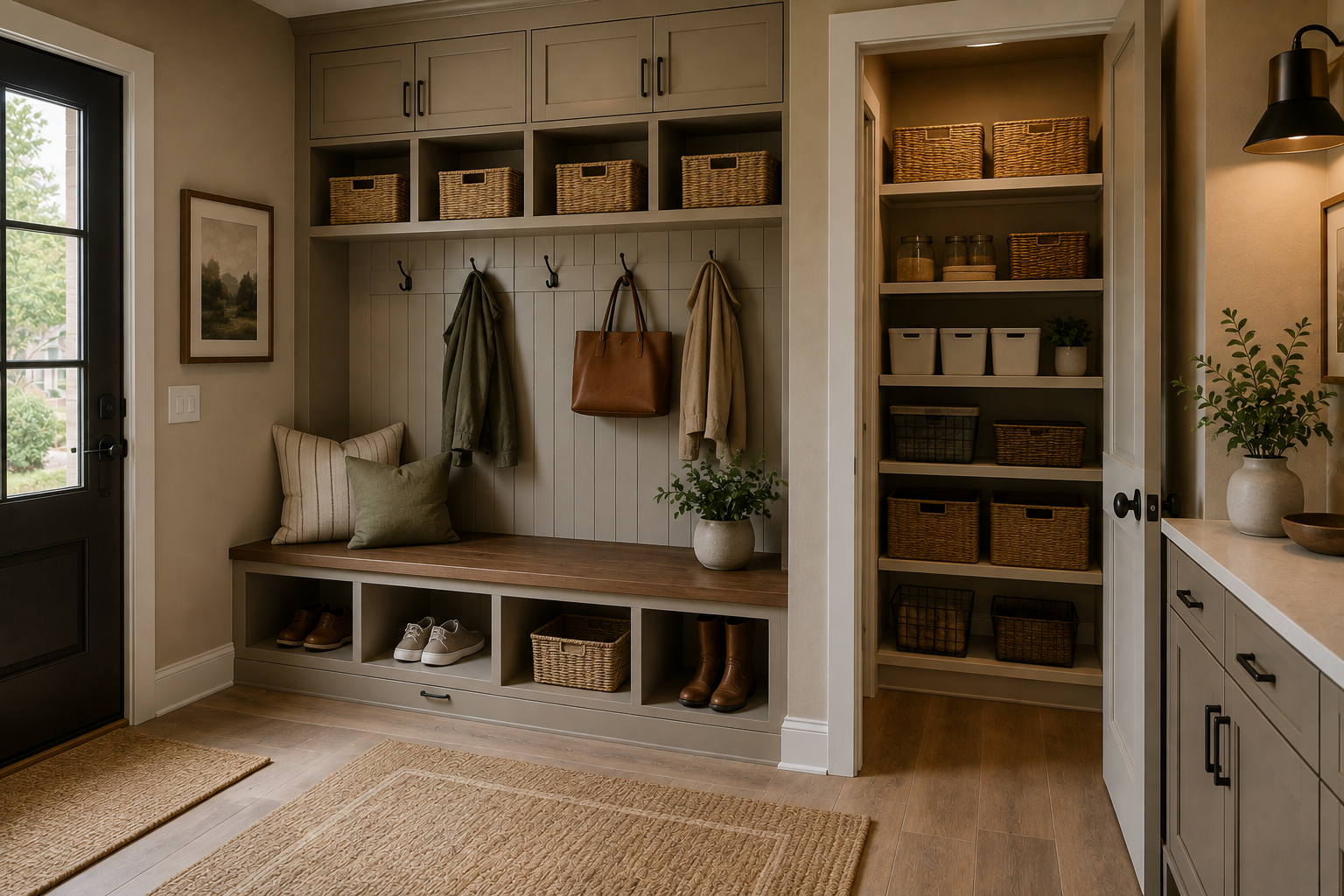
When it comes to storage, more isn't always better; thoughtful storage is what matters.
Walk-in pantries, mudrooms, drop zones, spacious closets, built-in cabinetry, and garage storage can make a home feel more organized and functional. In the kitchen, buyers may appreciate features such as deep drawers, appliance storage, pantry shelving, and other solutions that help keep countertops clear.
These practical details may not be as eye-catching as a statement backsplash or dramatic light fixture, but they can have a major impact on how a home functions every day.
3. Spaces Designed for Wellness
For many buyers, home is also a place to recharge. As a result, wellness-inspired features continue to influence new home design.
Spa-like primary bathrooms, oversized showers, soaking tubs, natural light, and outdoor living areas can all contribute to a greater sense of comfort. Depending on the size and price point of the home, buyers may also look for dedicated workout spaces or quiet areas for reading, yoga, or relaxation.
Even small design decisions, such as maximizing windows and incorporating natural materials, can help create a calmer, more comfortable environment.
4. Flexible, Multipurpose Rooms
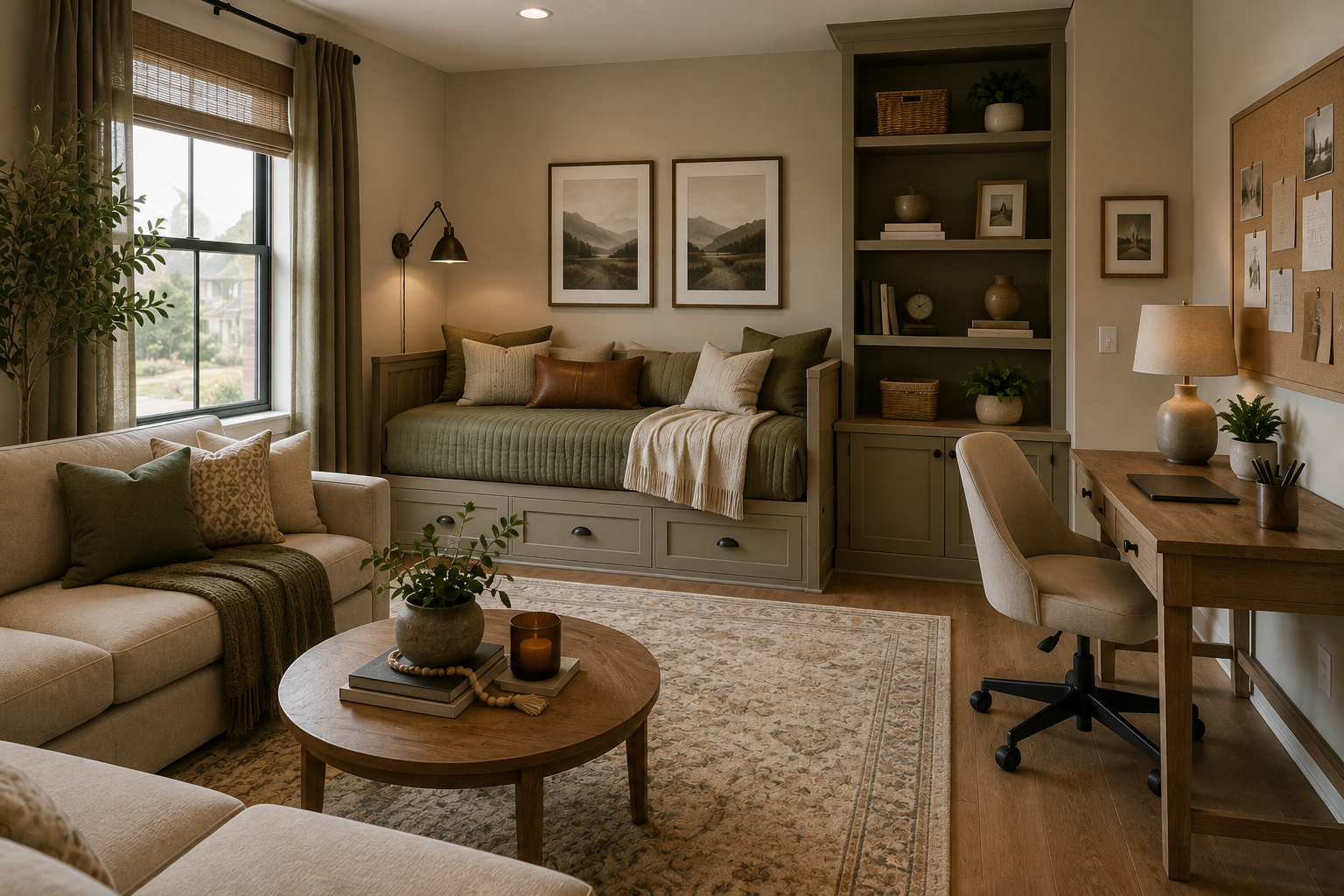
One of the biggest homebuyer preferences in 2026 is flexibility.
Today's buyers know their needs may change over time. A home office might eventually become a nursery. A playroom could become a study space. A guest room could double as a workout room. And a loft could serve several different purposes as a household evolves.
Instead of assigning every room a single function, flexible floor plans give homeowners more control over their space. Builders can reinforce this value by merchandising model homes and presenting floor plans in ways that demonstrate multiple uses for the same room.
5. Energy-Efficient Features
As buyers evaluate the overall cost of homeownership, energy efficiency can become an important part of the conversation.
Features such as energy-efficient windows, upgraded insulation, high-efficiency HVAC systems, LED lighting, efficient appliances, and smart thermostats can help create a more comfortable home while potentially reducing ongoing energy use.
For builders, the opportunity is to make these benefits easy for buyers to understand. Rather than focusing only on technical specifications, explain how energy-efficient features can contribute to comfort, convenience, and long-term value.
6. Smart Home Technology That Serves a Purpose
Homebuyers want home tech that makes life easier, not tools and systems that are omnipresent. Smart thermostats, video doorbells, smart locks, security systems, connected garages, smart lighting, and EV charging capabilities are examples of features that can provide everyday convenience.
The key is simplicity. Technology should feel intuitive rather than complicated, especially when multiple smart-home features are integrated throughout the property.
7. Kitchens Built for Real Life
The kitchen remains one of the most important rooms in the home, but buyer preferences increasingly combine aesthetics with everyday functionality.
Large islands can provide space for meal preparation, dining, homework, and entertaining, while walk-in pantries and abundant cabinetry help keep the room organized. Beverage stations, durable countertops, layered lighting, and thoughtful storage can add another level of convenience.
Design-wise, warmer kitchens are also having a moment. Natural wood tones, mixed materials, warm metals, and richer colors can create spaces that feel inviting and personalized rather than overly uniform.
8. Warmer, More Personalized Design
After years of white and gray dominating home interiors, buyers are embracing more warmth and personality. Warm neutrals, earth tones, natural wood, deep greens and blues, textured materials, statement tile, and mixed finishes can all add visual interest without making a home feel overly trendy.
The goal isn't necessarily bold design in every room. Instead, buyers may appreciate a neutral foundation paired with opportunities to customize finishes and introduce their own style.
Designing New Homes Around the Way Buyers Live
Ultimately, the most requested new home features in 2026 have something important in common: they make the home work harder for the people living in it.
Buyers want spaces that can adapt, storage that makes everyday life easier, technology with a clear purpose, and design choices that make their homes feel comfortable and personal. Energy efficiency and thoughtful functionality can also help buyers see value beyond the initial purchase.
For builders, keeping up with homebuyer preferences isn't about chasing every trend. It's about understanding what buyers value most in each market and creating homes that reflect how they want to live, both now and in the future.
Originally published Aug 19, 2026 under Explore the latest topics, updated August 19, 2026
Subscribe to our Blog
You may unsubscribe from these communications at any time. For more information, check out our privacy policy.